Quality-related initiatives implemented by Daihatsu have been highly evaluated within the Toyota Group, and we have received the Quality Control Excellence Award and other Toyota Quality Improvement Initiative Awards.
Quality Assurance
Fundamental Approach
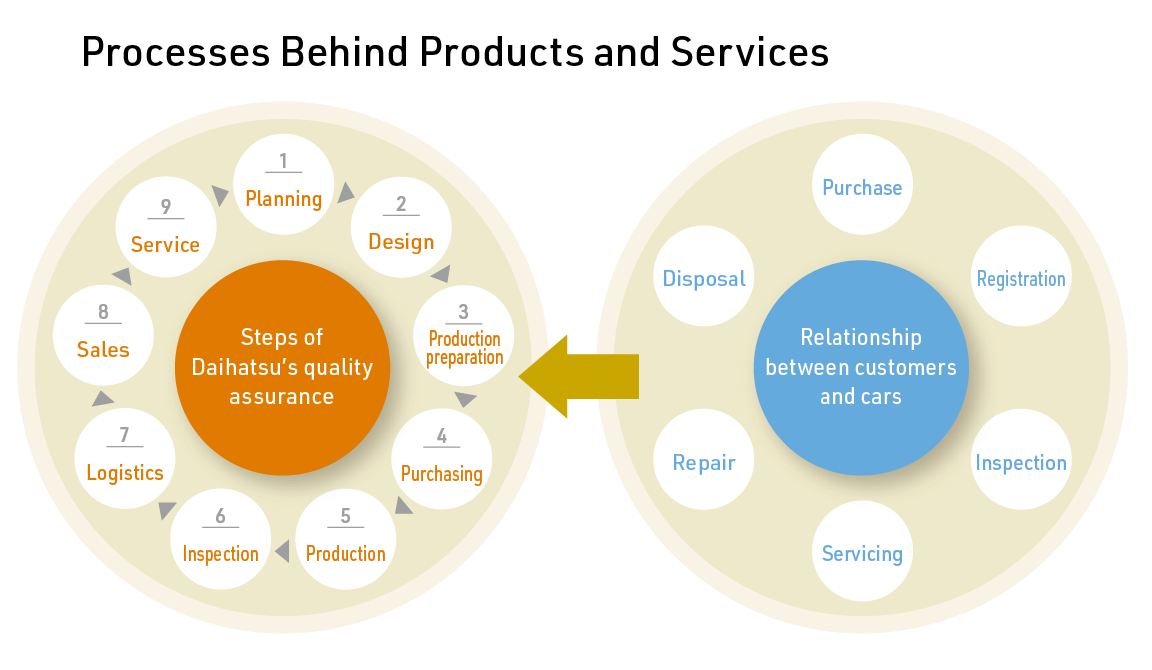
To guarantee that the quality of products and services can satisfy and be trusted by customers as well as allow prolonged use, all processes—from planning and design to purchasing, production, inspection, logistics, and sales to service—must come from the customers’ perspective. The relationship between customers and cars starts from the time of purchase. It is deeply woven into every aspect of customers’ lives, including daily commutes, work, shopping, driving on off days, and leisure regardless of the time of the day, season, weather, and place. During this time, Daihatsu has many points of contact with customers to allow cars to be used for long periods of time, including vehicle inspection, servicing, and repair.
Daihatsu collects information from all such scenarios involving customers and cars. Within each process, every employee thinks about how to stay close to customers and reflects their thinking in quality, and we treat this process with importance.
Planning and Design Initiatives
Fundamental Approach
Daihatsu established the Quality Control Center (QCT) within the Mobility Development Group as a specialized organization to carry out improvement measures with a focus on quality in planning and design processes.
Initiatives
- Engineers assigned to the QCT visit dealers and customers to personally confirm problems on a daily basis. They also investigate the causes and take countermeasures using their own analysis equipment and reflect the results in planning and design in a timely manner.
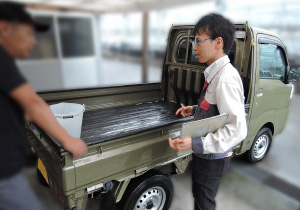 An engineer visiting a customer to confirm a problem
Purchasing Initiatives
Fundamental Approach
When purchasing parts, equipment, and other goods, Daihatsu appropriately assesses and manages suppliers and works to maintain and enhance quality in accordance with the internal Parts Supplier Assessment and Management Guidelines as well as the Management and Assessment Guidelines for Suppliers of Equipment, Main and Sub Materials.
Initiatives
- Purchasing personnel investigate the management status, technical capabilities, and quality control structures of supplier candidates and, when necessary, conduct on-site verification to determine whether to proceed with the transaction.
- In the case of existing suppliers, we annually conduct continuing evaluations of all suppliers with which we did business during the fiscal year to assess quality, safety, and other factors, and an internal review board decides whether transactions should be continued.
- The Quality Assurance Division and plant quality sections of the Vehicle Quality Control Division examine the manufacturing processes of suppliers on a regular basis, plan and implement quality improvements in cooperation with suppliers.
Production Initiatives
Fundamental Approach
At the MONOZUKURI worksites of manufacturing departments, each employee involved in the work takes responsibility for fully completing their own processes and thoroughly implements “own process completion” to ensure quality within their processes. Back-office departments also take action to ensure quality in their own work based on the concept of own process completion. At the beginning and end of meetings in which employees participate, we recite quality rules to raise awareness of quality on a regular basis.
Daihatsu’s Quality
Daihatsu’s quality assurance is positioned as an initiative that always places customer satisfaction and trust as the top priority and sustainably improves these three pillars of quality.
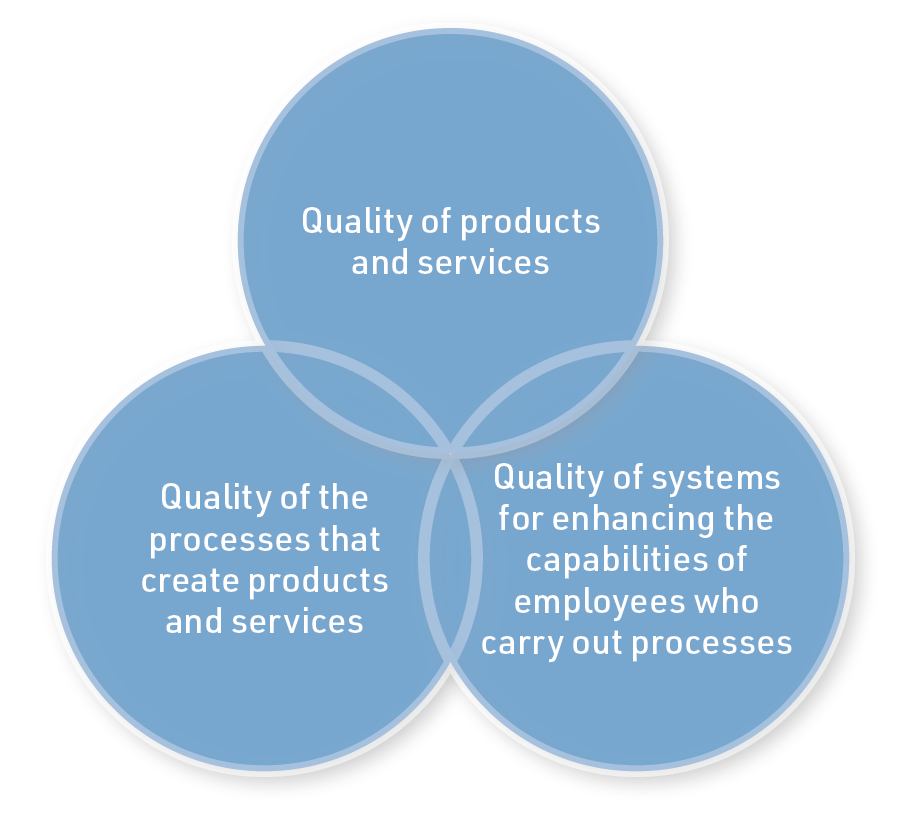
Quality-Related Structure
| Daily Quality Control |
|
|---|---|
| Monthly Quality Improvement Meetings |
|
| Response to Post-Shipment Defects |
|
Initiatives
- Daihatsu conducts internal audits at least once annually to reinforce quality assurance measures. Internal audits are conducted by identifying audit points and taking into consideration changes in internal and external environments and needs based on the concepts of international standards relating to quality management systems with the objective of improving the quality assurance measures of each department. PT Astra Daihatsu Motor (ADM), which is located in Indonesia and produces products for the Japanese market, also conducts audits equivalent to those performed in Japan.
- To maintain, control, and guarantee quality in manufacturing processes, Daihatsu employs IoT1 and AI technologies to monitor equipment condition through trend management, and uses cameras to make automatic determinations about specifications and workmanship, thereby helping to ensure stable quality.
- We continuously monitor changes in the number of defects from the previous day and work to identify problems as early as possible and make improvements.
- Design, purchasing, and quality control divisions confirm that parts procured from business partners satisfy our quality standards and decide whether mass production can commence.
- We also obtain data from business partners on a daily basis to confirm the workmanship of parts and request improvements as necessary to maintain and enhance quality.
- By using traceability measures to link supplied parts with individual vehicles, we have created mechanisms and structures to provide prompt feedback to plants regarding manufacturing-related quality issues identified from market information.
- Daihatsu has established Quality Dojos at each plant as training forums to develop skills for enhancing quality. We are also training human resources who can support the future evolution of automobiles exemplified by CASE2 and are making further advances to our quality assurance structures.
1. Internet of Things: A mechanism for the exchange of information over the Internet by devices, equipment, and so on that in the past were not connected to the Internet
2. CASE: An abbreviation for Connected, Autonomous, Shared/Service, Electric

Inspection Initiatives
Fundamental Approach
Daihatsu strives to enhance the quality of completed vehicle inspections performed at production plants in accordance with our duties as an automaker under the Road Transport Vehicle Act.
Initiatives
- Daihatsu has introduced facial recognition systems at all plants that allow only certified personnel to carry out inspections. The system matches registered facial data with workers’ facial images to prevent unqualified personnel from conducting final inspections. In addition, final inspection data is locked after entry to help prevent misconduct.
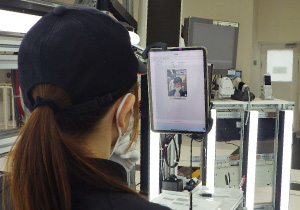 We guarantee rigorous inspections by maintaining individual inspection results for each vehicle as well as the work histories of inspectors, who are registered using 3D facial data
Logistics Initiatives
Fundamental Approach
Daihatsu implements initiatives to ensure safety and quality until vehicles are delivered to customers.
Initiatives
- All Daihatsu vehicles are delivered from production plants to dealerships under proprietary transportation standards.
- We have put in place comprehensive manuals that provide instructions on how to respond to disasters or accidents, as well as detailed regulations for handling vehicles within logistics yards. By ensuring that all workers involved in completed vehicle logistics adhere to these procedures, we maintain and manage the quality of our vehicles.
Sales and Service Initiatives
Fundamental Approach
To deliver attractive products and the best possible service to more customers while meeting their trust and expectations, Daihatsu focuses on training staff at sales companies.
Initiatives
- Centered around the Daihatsu Sales Training Center, Daihatsu provides a broad range of training programs to strengthen technical skills, customer service abilities, and product proposal capabilities, promoting human resource development.
- Daihatsu regularly holds The Daihatsu Service Skill Contest and BP* Contest for staff at sales companies nationwide, helping improve skills in fault diagnosis, maintenance, body repair, painting, and cost estimation.
* Body repair & Paint: Auto body repair and painting
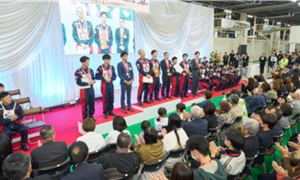 Daihatsu Service Skill Contest Awards Ceremony
Employee Training
Fundamental Approach
To develop human resources, revitalize workplaces, and enhance work quality for the practice of customer first, Daihatsu conducts quality control (QC) activities including rank-specific training on quality and quality awareness initiatives in collaboration with Group companies, sales companies, and business partners.
Initiatives
- Daihatsu holds circle competitions such as the All-Daihatsu QC Circle Convention. Production sites in Malaysia and Indonesia also participate, sharing the results of quality improvement activities on a global basis. We also actively participate in QC conventions hosted by the Union of Japanese Scientists and Engineers, improving our capabilities while learning from best practices outside the company.
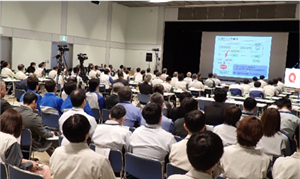 All-Daihatsu QC Circle Convention
For Customers
Fundamental Approach
Daihatsu is strengthening its communication channels with customers and strives to provide accurate information in response to inquiries. We provide feedback on the opinions, requests, and indications received from customers to the relevant divisions and use this information as a tool for improving the quality of products and services and undertaking new initiatives.
Initiatives
Customer Feedback Mechanism
Aiming for the early detection and resolution of quality issues, Daihatsu gathers a wide range of quality-related feedback from customers who purchase Daihatsu vehicles through dealerships, and shares it with development and production divisions to improve the quality of Daihatsu vehicles.
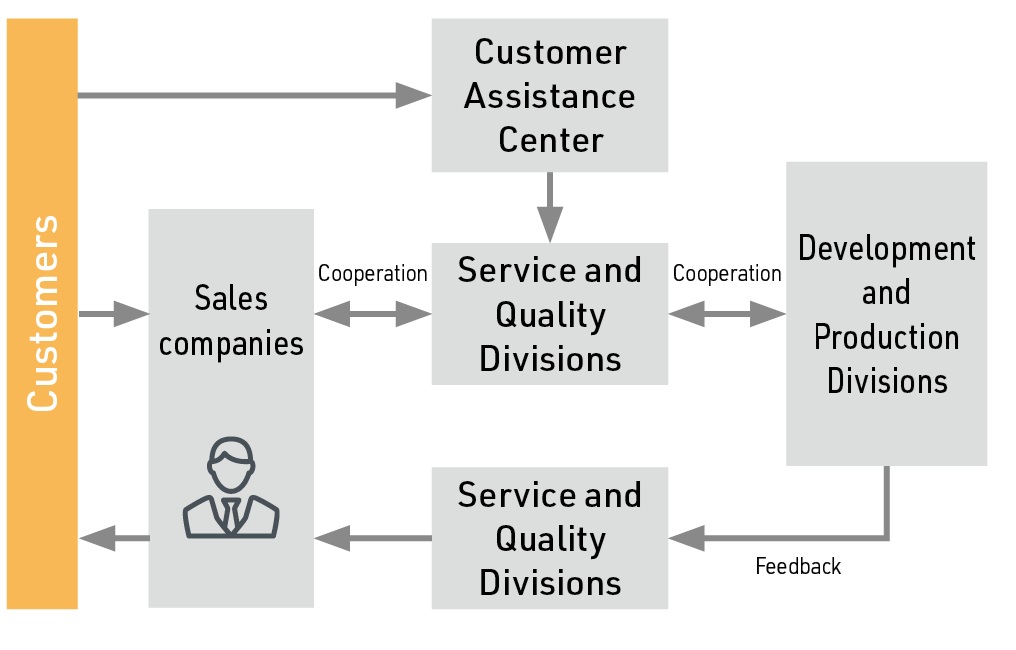
Customer Assistance Center
We receive inquiries from customers at the Daihatsu Customer Call Center and respond based on the details of each inquiry by providing information, answering questions, and so on. The Daihatsu Customer Call Center has systems in place to respond to inquiries by telephone, email, chatbot, or sign language interpretation service. Information concerning requests received from customers is forwarded to the relevant departments and reflected in product and service improvements.
Responses to Quality Defects (Recalls, etc.)
Giving top priority to the safe and reliable use of cars, when a defect occurs in vehicles and a recall is determined to be necessary, Daihatsu issues notifications in accordance with the laws and regulations of the respective countries, and at the same time, promptly contacts customers of the affected vehicles to notify them to obtain free repairs. We also post recall information to the website as soon as it is available, and we report to the authorities regarding the progress of recalls and other information as necessary.
FY2026 Recall Status
| Cases | 2 |
|---|---|
| Target vehicles (thousand vehicles) |
641 |